How to Read a Gemstone Report
A gemstone certificate, also called a gemological report, provides important information about a gemstone. And It helps buyers understand what they are purchasing.
A good report can confirm the gemstone’s identity, weight and measurements, describe important characteristics, treatments and geographic origin.
At Ceylon Gem Atelier, we believe transparency is an essential part of buying a gemstone. This guide explains what to look for when reading a gem certificate and why each detail matters.
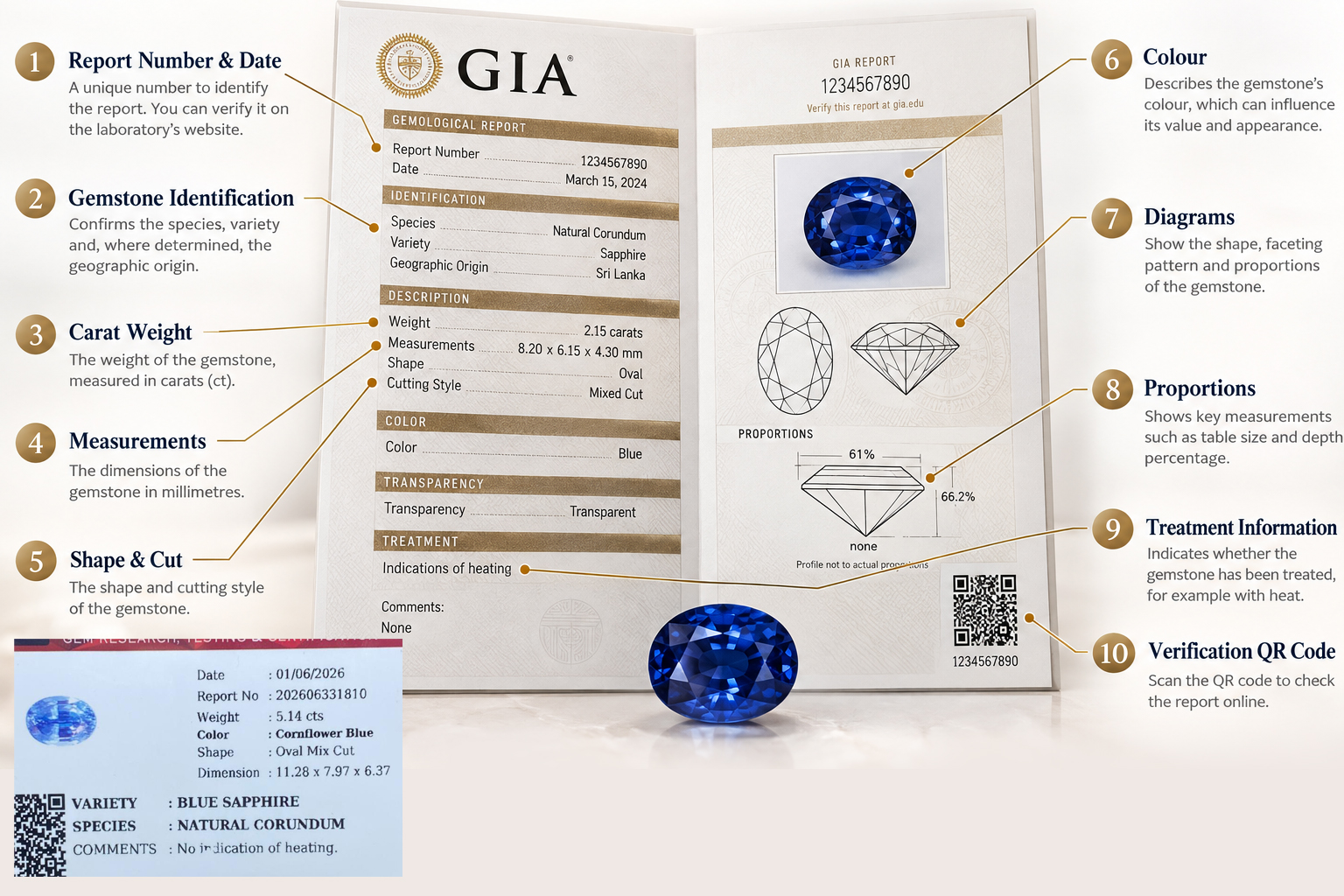
A gem certificate is a report issued by a qualified gemological laboratory after examining a gemstone. Depending on the laboratory and the type of gemstone, a report may include:
- Gemstone identity
- Natural or laboratory-grown status
- Variety
- Carat weight
- Measurements
- Colour
- Shape and cutting style
- Treatment information
- Geographic origin, where determined
- Identification number or report number
- Security features or verification details
However, the gemstone certificate does not necessarily provide the monetary value of a gemstone. Instead, it provides objective gemological information that can help you evaluate the stone.
1. Gemstone Identification
The first thing to check is the identity of the gemstone. For example, a report may identify a stone as:
Natural Corundum — Sapphire
or
Natural Corundum — Ruby
Other reports may identify gemstones such as Spinel, Chrysoberyl, Garnet or Tourmaline. The identification confirms the species or variety of the gemstone.
2. Natural, Synthetic or Laboratory-Grown
The report may state whether the gemstone is:
- Natural — formed through natural geological processes.
- Synthetic — produced in a laboratory but with essentially the same chemical composition and crystal structure as the natural counterpart.
- Imitation or Simulant — a different material that resembles another gemstone.
For a natural gemstone purchase, this is one of the most important details to check.
3. Carat Weight
Gemstones are commonly weighed in carats (ct).
One carat equals 0.20 grams.
For example:
Weight: 2.15 ct
Carat weight is important, but it does not determine gemstone value by itself. Two sapphires with the same carat weight can have very different values because of differences in colour, clarity, cut, treatment and origin.
4. Measurements
A report normally records the gemstone’s dimensions, usually in millimetres.
For example:
8.20 × 6.15 × 4.30 mm
Measurements are particularly useful when buying a gemstone for jewellery because they help determine whether the stone will fit a particular setting.
5. Shape and Cutting Style
The certificate may describe the gemstone’s shape and cutting style.
Common shapes include:
- Oval
- Cushion
- Round
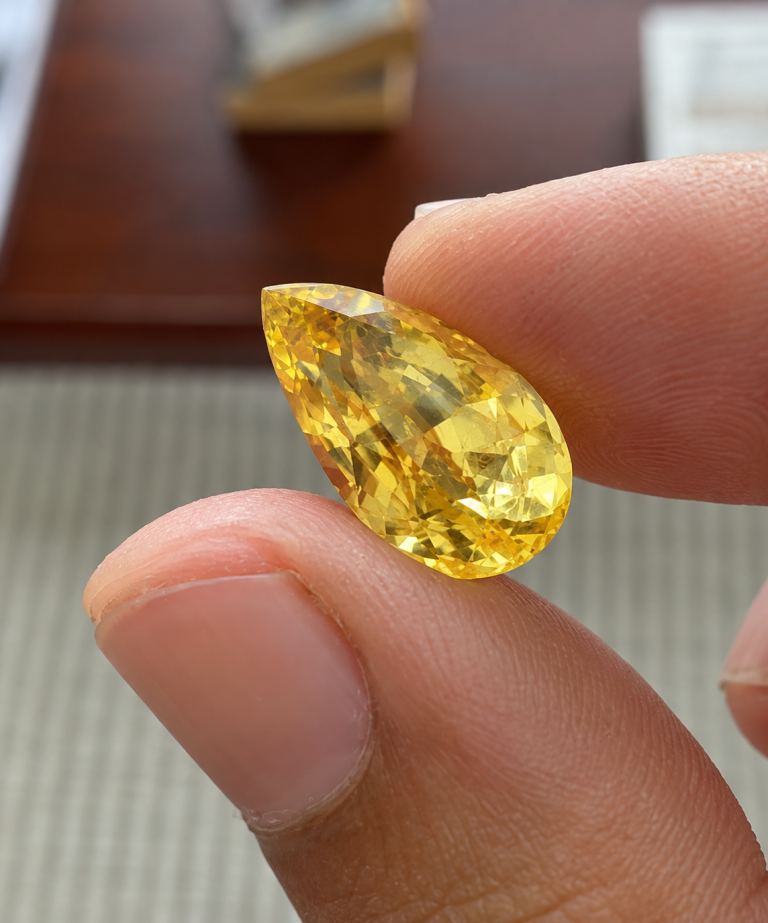
- Pear
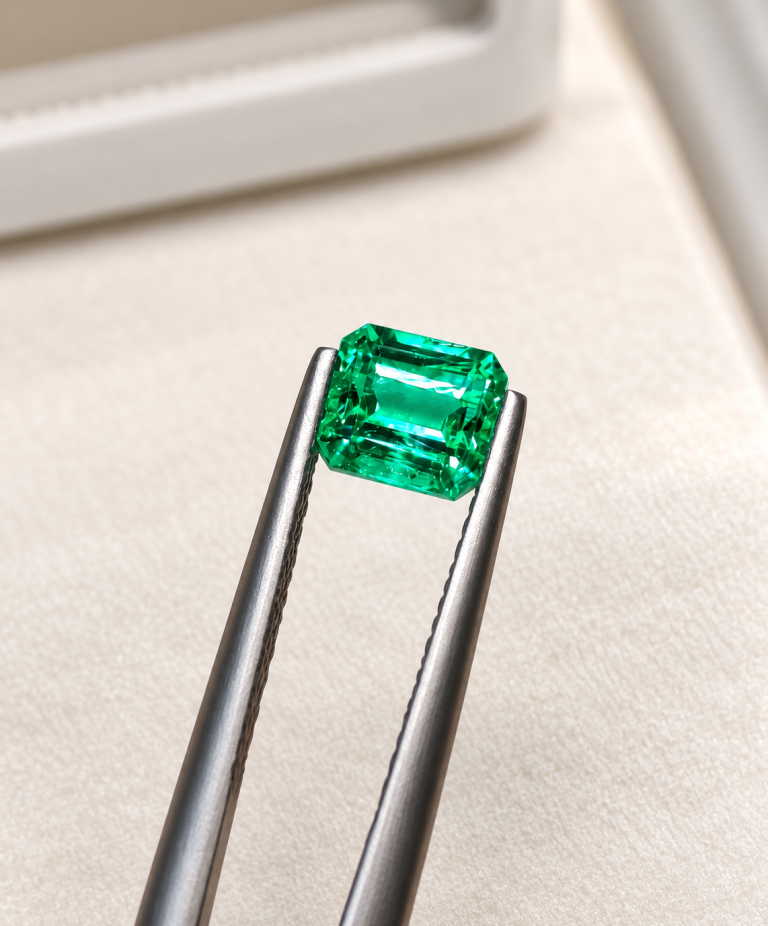
- Emerald
- Princess
- Marquise
The report may also describe the cutting style, such as mixed cut, step cut or cabochon.
Cut quality can strongly influence a gemstone’s appearance by affecting its brilliance, colour distribution and overall visual appeal.
6. Colour
Colour is one of the most important factors in evaluating a coloured gemstone.
A laboratory may describe the colour using terms such as:
- Blue
- Pink
- Yellow
- Orange
- Red
- Green
- Violet
Some reports may provide additional descriptions of hue, tone and saturation.
For example, two blue sapphires may both be described as blue, but one may have a more desirable balance of hue, tone and saturation.
A certificate helps document the laboratory’s assessment, but photographs and personal viewing remain important when evaluating the actual appearance of a gemstone.
7. Treatment Information
Treatment is extremely important when buying coloured gemstones.
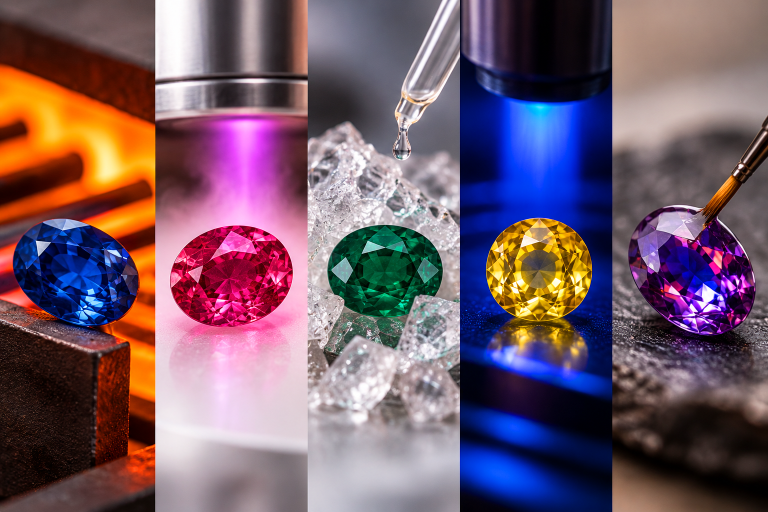
A gemstone may receive treatment to improve its colour, clarity or appearance. Common treatments include heat treatment, while other treatments may also occur depending on the gemstone.
A report may state:
No indications of heating
or
Indications of heating
Some laboratories may identify additional treatments when detected.
Treatment can significantly affect the value and desirability of a gemstone, so buyers should always ask about treatment before purchasing.
At Ceylon Gem Atelier, we aim to clearly disclose known treatments and provide available laboratory documentation.
8. Geographic Origin
Some laboratories can assess the geographic origin of certain gemstones.
For example, a sapphire report may state:
Origin: Sri Lanka
or
Geographic origin: Inconclusive
Origin determination is based on laboratory examination and comparison with known characteristics associated with gemstone deposits around the world.
Not every gemstone can receive a conclusive origin determination.
For valuable Ceylon gemstones, an origin opinion from a recognised laboratory can provide important additional information.
9. Certificate Number
Every laboratory report normally has a unique report or certificate number.
This number is important because it allows the report to be identified and, where online verification is available, checked against the laboratory’s records.
When purchasing a certified gemstone, compare the certificate number with the number recorded by the seller and the number shown on the laboratory’s verification system.
10. How to Verify a Gem Certificate
Do not rely only on a printed certificate.
Where online verification is available, visit the official website of the issuing laboratory and enter the certificate or report number.
Check that:
- The certificate number is valid.
- The gemstone description matches the stone.
- The carat weight matches.
- The measurements match.
- The treatment information matches.
- The photograph or identifying information matches, where provided.
If the information does not match, contact the laboratory before completing the purchase.
Which Laboratories Issue Gemstone Reports?
Different laboratories operate around the world and specialise in different types of gemstone testing.
In Sri Lanka, recognised institutions include the National Gem and Jewellery Authority (NGJA) and the Gem and Jewellery Research and Training Institute (GJRTI).
Internationally, laboratories such as GIA, SSEF, Gübelin, GRS and Lotus Gemology are well known for coloured gemstone testing.