Gemstone treatments are an important factor to consider when we buy natural gemstones. Treatments can improve a gemstone’s colour, clarity or overall appearance, and they can significantly influence its market value. and a treatment does not automatically mean that a gemstone is fake.
Sapphires, rubies and other coloured gemstones may undergo different treatments after mining. Some treatments are widely accepted in the gemstone trade, while others can affect durability, rarity and value more substantially.
At Ceylon Gem Atelier, we believe that understanding gemstone treatments helps buyers make informed decisions. This guide explains the most common gemstone treatments, how they affect value, and what to check before purchasing a gemstone.
What Are Gemstone Treatments?
Gemstone treatments are processes used to alter or improve a gemstone’s appearance or other characteristics.
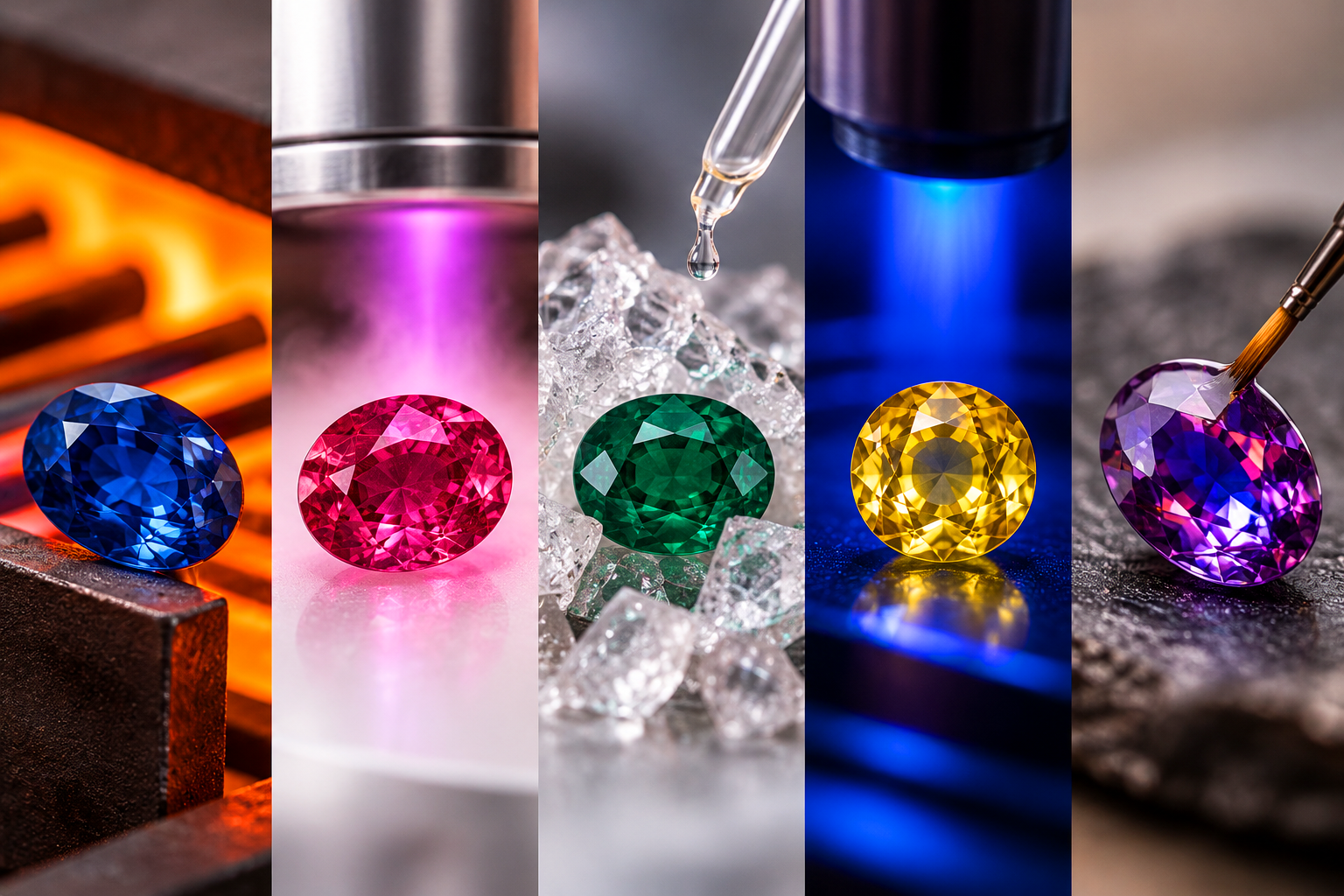
Some treatments use heat, while others involve diffusion, filling, irradiation or other methods. Gemstone treatment practices vary depending on the gemstone species and the desired result.
A treated gemstone may still be natural, meaning it formed through natural geological processes. However, the treatment can affect its rarity, desirability and price.
For this reason, buyers should understand both the gemstone’s identity and any known treatments.
1. Heat Treatment
Heat treatment is one of the most common treatments used for coloured gemstones, particularly sapphires and rubies.
Gemstones expose to controlled high temperatures to improve or modify their colour and, in some cases, their apparent clarity.
How does heat treatment affect sapphires?
Heat treatment may:
- Improve or modify blue, yellow or other colours.
- Reduce the visibility of certain inclusions.
- Improve colour uniformity.
- Enhance the gemstone’s overall appearance.
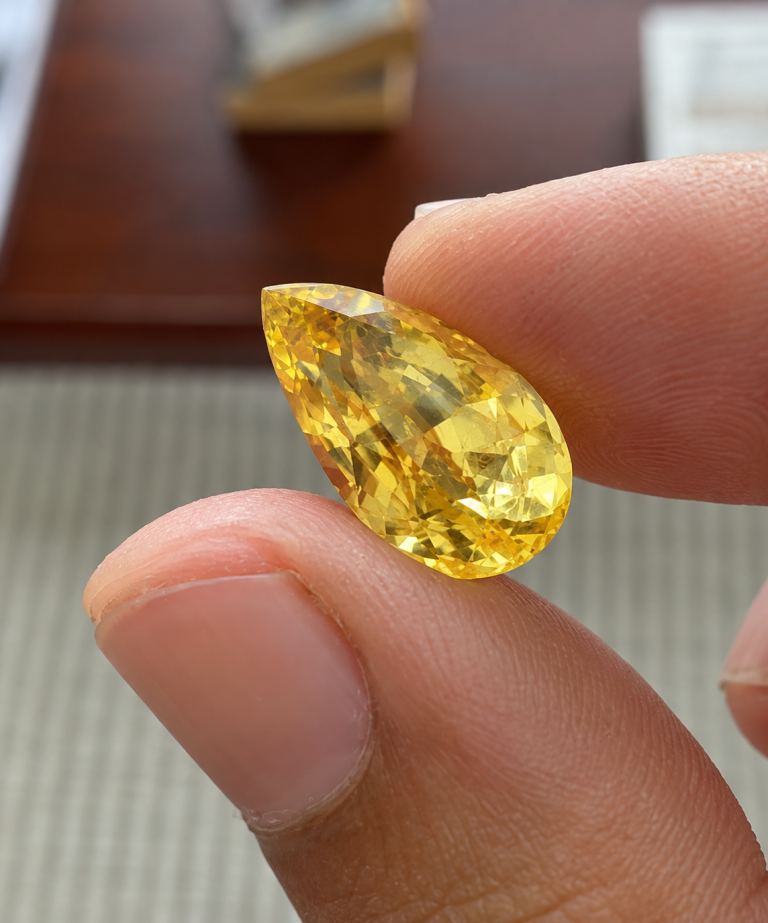
Heat-treated sapphires are widely traded. Their value depends on factors such as colour, clarity, cut, size, origin and the extent of treatment.
What is an unheated sapphire?
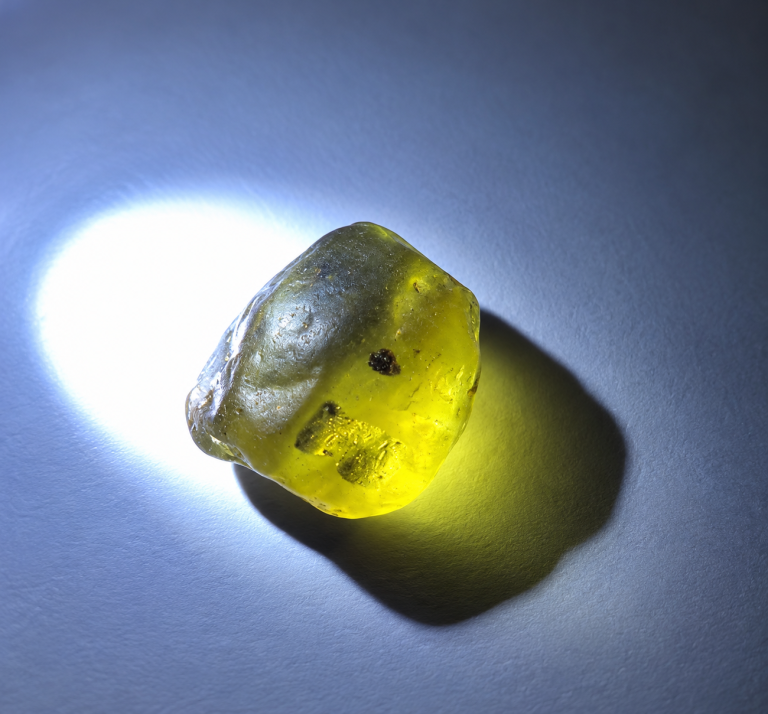
An unheated sapphire is a sapphire that shows no signs of heat treatment. Fine-quality unheated sapphires can command premium prices when their colour, clarity, size and other characteristics are desirable. However, unheated does not automatically mean more valuable. A beautiful heated sapphire may be more desirable than a lower-quality unheated stone.
When buying an unheated Ceylon sapphire, consider obtaining a report from a reputable gemological laboratory.
2. Diffusion Treatment
Diffusion treatment introduces certain elements into a gemstone under controlled conditions, often using high temperatures, to change its colour.
In sapphires, diffusion may produce or enhance particular colours near the surface or, depending on the process, deeper within the stone.
Why does diffusion treatment matter?
Diffusion-treated gemstones can look attractive, but the treatment may affect their market value and suitability for recutting or repolishing.
The depth and nature of the colour modification depend on the specific treatment. Buyers should ask whether diffusion treatment has been detected and ensure that any relevant disclosure appears in the sales information and laboratory report.
3. Fracture Filling and Clarity Enhancement
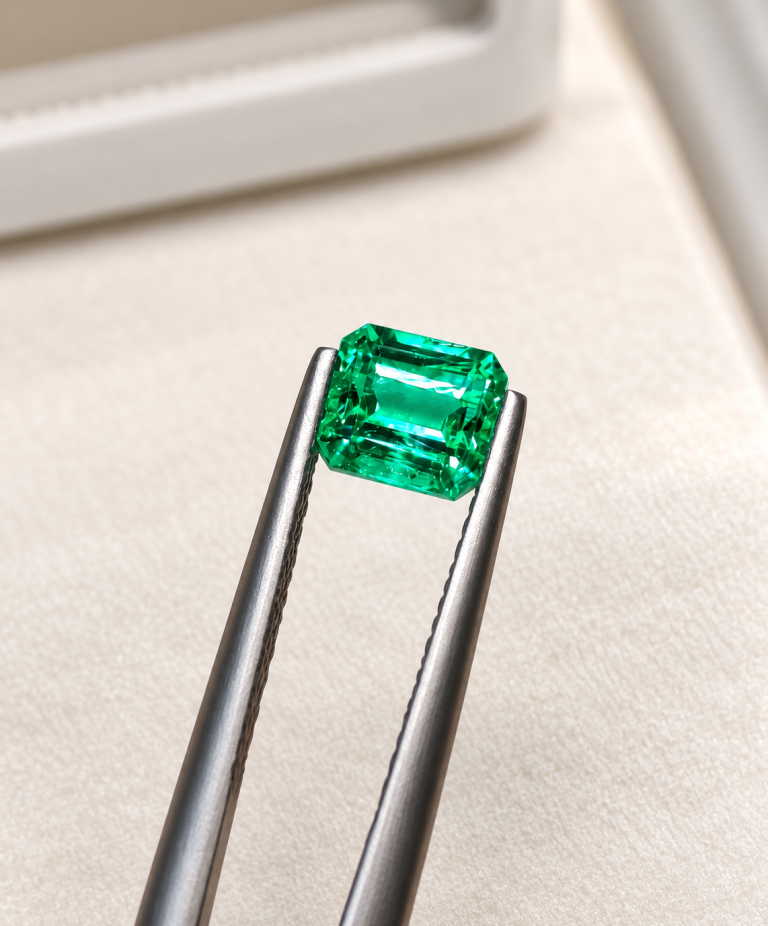
Some gemstones contain fractures or cavities that affect their appearance. Certain materials may be introduced into these features to reduce their visibility.
Depending on the gemstone and process, filling materials may include glass, resin or other substances.
4. Irradiation Treatment
Irradiation exposes a gemstone to radiation under controlled conditions to change or enhance its colour. In some cases, a subsequent heating process apply in this treatment.
This treatment can produce or modify colours in certain gemstone varieties.
Irradiation is not necessarily a sign of poor quality, but it is important to know whether a gemstone has received such treatment. Some irradiated gemstones may also require appropriate safety assessment or handling depending on the material and process.
A recognised gemological laboratory can help identify treatment evidence where testing methods allow.
5. Surface Coating
Surface coating involves applying a thin layer of material to a gemstone to change its apparent colour, lustre or other visual characteristics.
Coatings can be less durable than the underlying gemstone and may wear away, scratch or be damaged during cleaning.
Because a coating can significantly change a gemstone’s appearance without changing its underlying material, buyers should ask whether a gemstone has any known surface coating.
6. Natural, Heated and Unheated Gemstones: What’s the Difference?
It is important to distinguish between a gemstone’s origin and its treatment.
- Natural gemstone: Formed through natural geological processes.
- Heated natural gemstone: A natural gemstone that has undergone heat treatment.
- Unheated natural gemstone: A natural gemstone with no indications of heat treatment detected by the examining laboratory.
- Laboratory-grown gemstone: Created in a controlled environment rather than formed naturally in the Earth.
- Imitation gemstone: A material used to imitate the appearance of another gemstone.
A natural sapphire can be heated or unheated. Heat treatment does not make it laboratory-grown, and an unheated claim does not by itself establish the gemstone’s geographic origin.
7. How Do Gemstone Treatments Affect Value?
Treatment can influence gemstone value, but its effect depends on several factors.
Colour and appearance
A treatment that improves colour or clarity may make a gemstone more attractive. However, the market may value a comparable untreated gemstone more highly when untreated examples are rare and desirable.
Rarity
Fine-quality unheated sapphires and rubies can be scarce. Their rarity may contribute to higher prices, especially when a laboratory supports the treatment assessment.
Type and extent of treatment
Different treatments have different effects on appearance, stability and market acceptance. Extensive filling or certain colour-altering treatments may substantially reduce value compared with otherwise similar stones.
Gemstone quality
Colour, clarity, cut, carat weight and overall beauty remain important. Treatment is one part of the evaluation, not the only factor.
Geographic origin
For certain gemstones, a laboratory-supported origin opinion may influence market desirability. However, geographic origin and treatment are separate assessments.
8. How Can You Tell If a Gemstone Treated?
You generally cannot determine gemstone treatment reliably from appearance alone.
Two sapphires may look similar even when one has been heated and the other has not. Treatment identification may require microscopy, spectroscopy and other specialised gemological tests.
When purchasing a valuable gemstone, consider these steps:
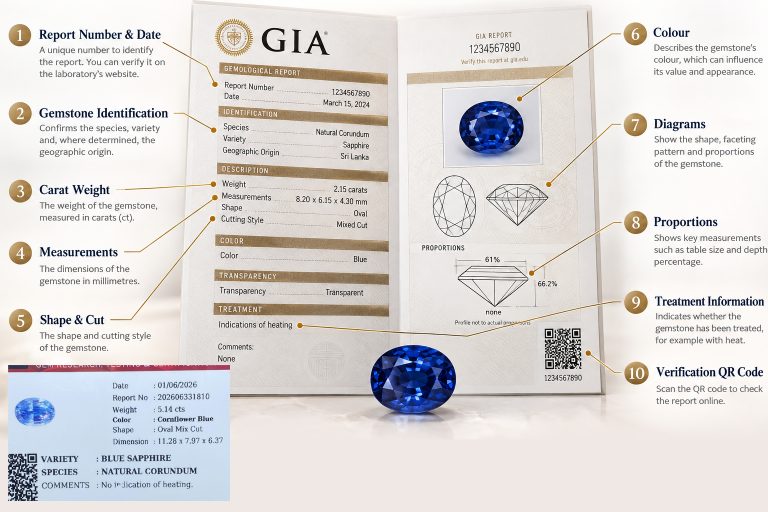
- Request a gemological report. Check whether it identifies the gemstone and comments on relevant treatments.
- Verify the report. Use the issuing laboratory’s official verification service where available.
- Check the treatment wording. Read the report carefully rather than relying only on the seller’s description.
- Ask questions. Request disclosure of any known treatments that are not clear from the documentation.
- Match the report to the stone. Compare the report number, weight, measurements and identifying details.
A report may state that a laboratory found no indications of a particular treatment. This does not necessarily mean every possible treatment has been ruled out. The report’s exact wording and scope matter.
9. Which Gemstone Laboratories Can Assess Treatments?
Gemological laboratories examine gemstones and may provide information about identity, natural or laboratory-grown status, detectable treatments and, where offered and determinable, geographic origin.
In Sri Lanka, relevant institutions include the National Gem and Jewellery Authority (NGJA) and the Gem and Jewellery Research and Training Institute (GJRTI).
International laboratories such as GIA, SSEF, Gübelin Gem Lab, GRS and Lotus Gemology also provide reports for coloured gemstones.
The appropriate laboratory depends on the gemstone, the information required, the value of the stone and the buyer’s needs. Always check which tests and conclusions the particular report includes.
10. Should You Buy a Heated or Unheated Sapphire?
Both heated and unheated sapphires can be excellent choices.
A heated sapphire may offer attractive colour and quality at a more accessible price. An unheated sapphire may appeal to buyers who value the rarity of fine material without indications of heat treatment.
When comparing the two, consider:
- Colour, tone and saturation.
- Clarity and transparency.
- Cut and overall appearance.
- Carat weight and measurements.
- Treatment disclosure and laboratory documentation.
- Geographic origin, where relevant.
- Price in relation to the gemstone’s overall quality.
Choose a gemstone based on its documented characteristics, appearance, budget and personal preferences rather than assuming that one treatment category is always superior.