Beyond Sapphire: Sri Lanka's Rare Gemstones
Sri Lanka produces many beautiful gemstones beyond sapphire. Some of these rare Ceylon gemstones are highly valued for their colour, rarity, optical effects and overall beauty.
Spinel Gemstone
Ceylon Spinel is a natural gemstone that comes in a range of attractive colours. Sri Lanka is known for producing fine spinel in several varieties.
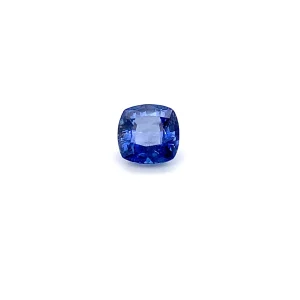
Cobalt Blue Spinel — A rare blue spinel known for its vivid colour and strong appeal.
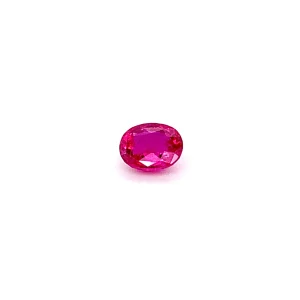
Red Spinel — A beautiful red gemstone valued for its rich colour and brilliance
Pink Spinel — Ranges from soft pink to bright and vivid shades.
Chrysoberyl Cat's Eye Gemstone
Chrysoberyl Cat’s Eye is known for its distinctive cat’s-eye effect, called chatoyancy. A fine stone can show a sharp, bright line of light across its surface. The quality of the eye, colour, clarity and cut all affect its value.
Alexandrite Gemstone
Alexandrite is a rare colour-changing gemstone. It can show green or bluish-green colours in daylight and red to purplish-red colours under incandescent light. A strong and noticeable colour change can increase its value.
Moonstone
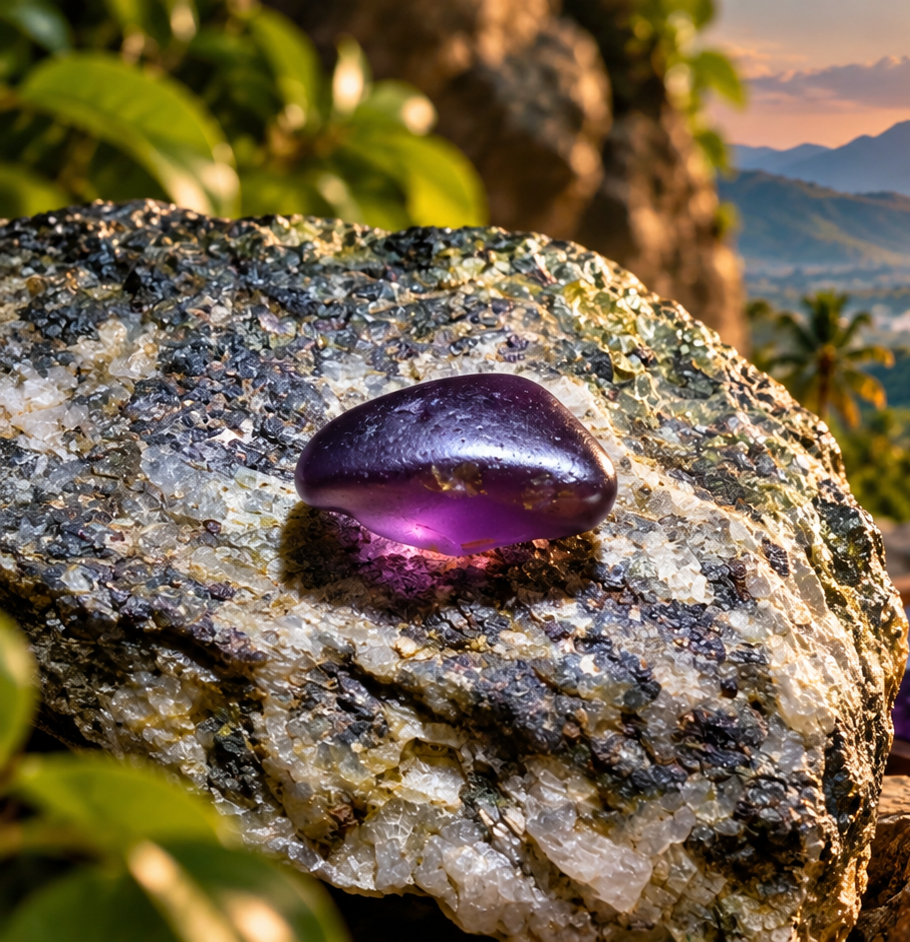
Ceylon Moonstone is among Sri Lanka’s most iconic gemstones, prized for its soft, glowing light effect known as adularescence. Fine Ceylon blue moonstone, with its silvery-blue sheen, is especially sought after.
Ceylon sapphire refers to sapphire that comes from Sri Lanka.
Sri Lanka has a long history of gemstone mining and is especially known for blue sapphire, Padparadscha, pink sapphire, yellow sapphire and other fancy-coloured sapphires.
When origin matters, appropriate laboratory documentation should support the origin claim.
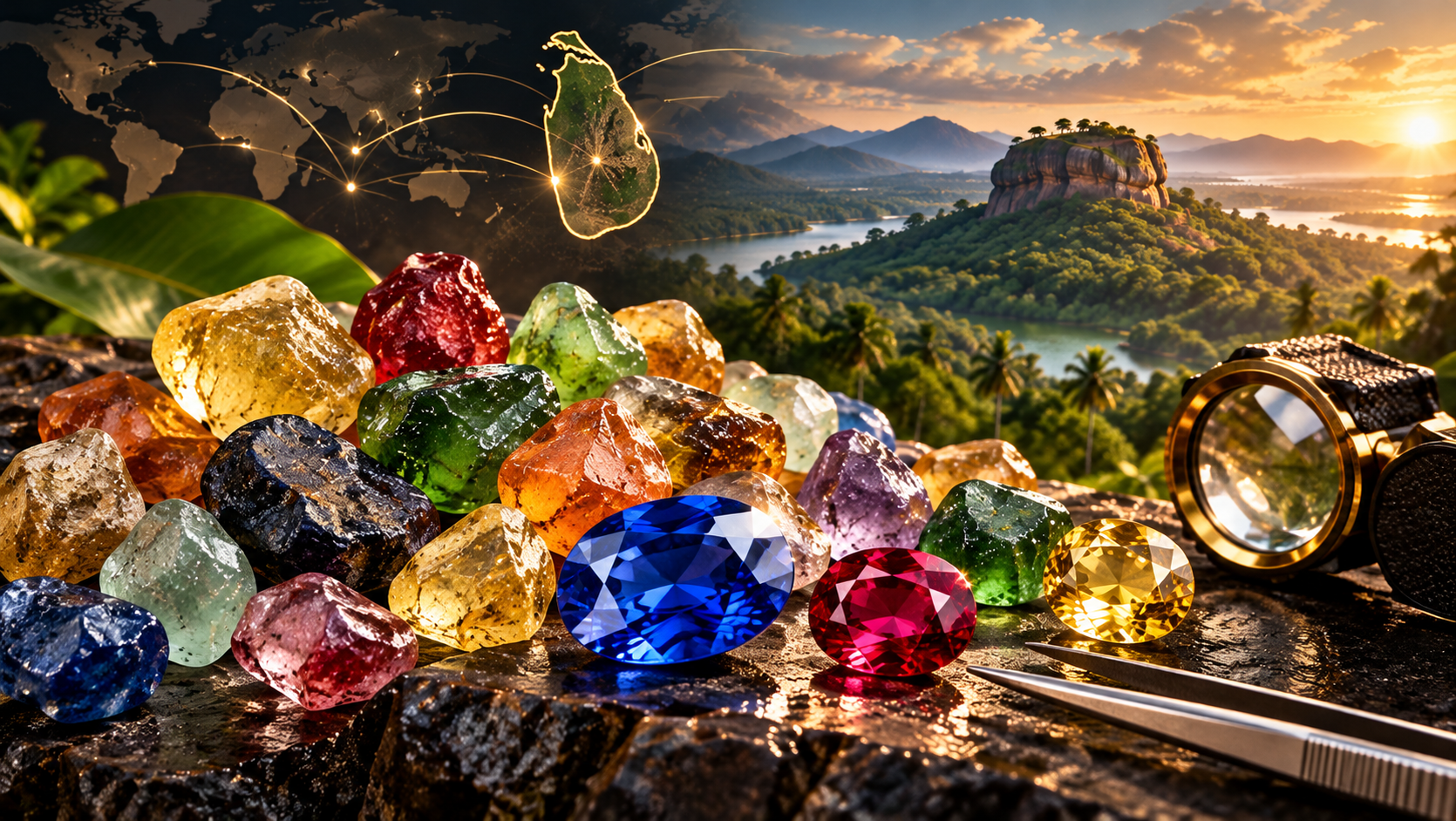
What Makes Rare Ceylon Gems Valuable?
When evaluating rare gemstones, consider colour, clarity, cut, size, optical effects, treatment and origin. For valuable stones, a professional laboratory report can also help confirm the gemstone’s identity and provide information about treatment and origin where applicable.
Frequently Asked Questions
What is chatoyancy?
Chatoyancy, or the “cat’s-eye effect,” is an optical phenomenon where a gemstone displays a sharp band of light across its surface, caused by parallel needle-like inclusions reflecting light. It is most associated with Chrysoberyl Cat’s Eye.
Why does Alexandrite change colour?
Alexandrite changes colour because of the way its crystal structure absorbs different wavelengths of light. It typically appears green or bluish-green in daylight and red to purplish-red under incandescent light.
Is Ceylon Spinel valuable?
Spinel varies in value depending on colour, clarity, cut and size. Rare colours such as cobalt blue spinel are especially sought after.
Is Ceylon Moonstone natural?
Yes. Ceylon Moonstone is a natural gemstone from Sri Lanka, known for its distinctive glow, called adularescence.