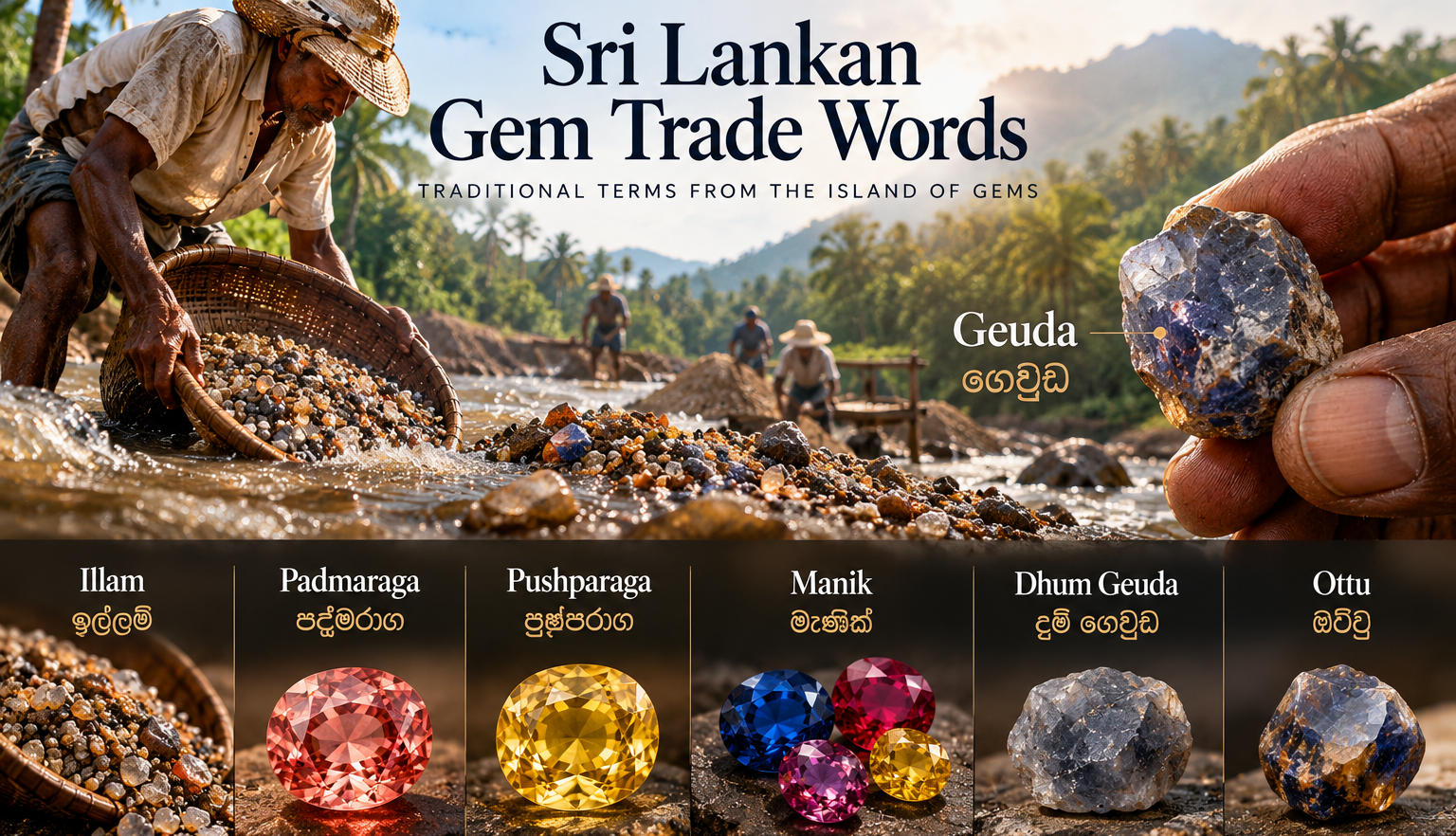
Sri Lanka has a long and celebrated history of gemstone mining and trading. Known internationally as the Island of Gems, the country supply sapphires, rubies, spinels, chrysoberyl cat’s eyes and many other precious stones to markets around the world.
Alongside this heritage, Sri Lanka has developed its own gemstone vocabulary. Local miners, cutters and gem traders use traditional Sinhala words and trade expressions to describe rough gemstones, gem-bearing gravel, gemstone varieties and materials that may respond to treatment.
Understanding these Sri Lankan gem trade words offers a deeper appreciation of the island’s gemstone industry.
At Ceylon Gem Atelier, we celebrate this heritage while explaining local terminology in a way that gemstone enthusiasts and international buyers can understand.
1. Geuda (ගෙවුඩ)
Geuda is one of the best-known terms in Sri Lanka’s sapphire industry.
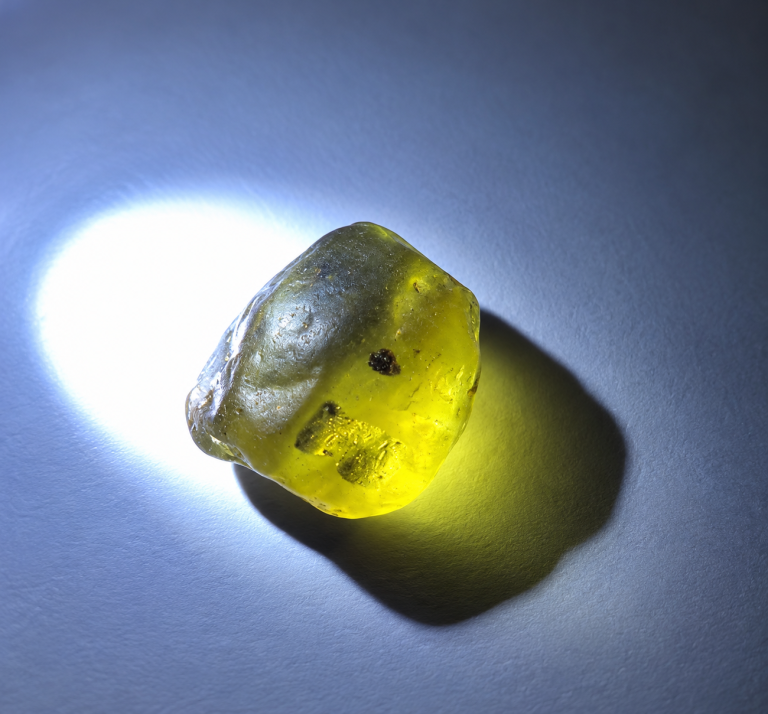
The term refers to certain types of corundum rough that often have a cloudy, milky or silky appearance. Some geuda material contains fine inclusions that affect its transparency and appearance.
Why is geuda important?
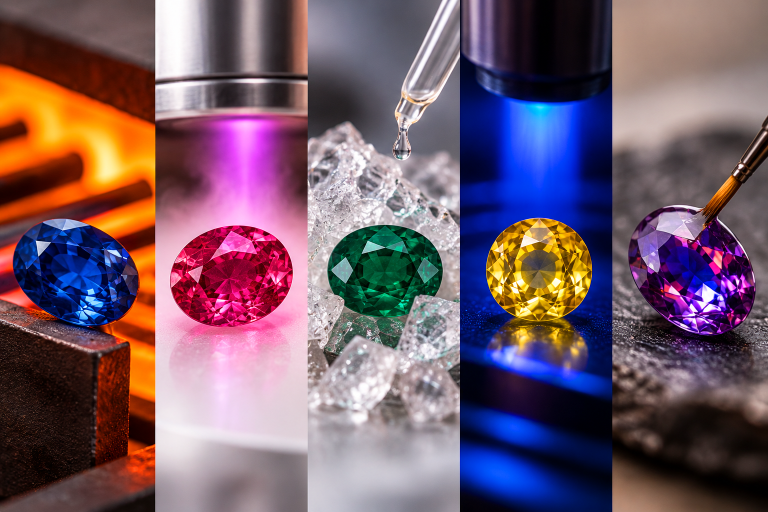
Sri Lanka is well known for its expertise in heat-treating suitable geuda corundum. Controlled heating can improve the colour or transparency of certain material and produce more commercially desirable sapphires.
However, not every geuda stone responds successfully to heat treatment. The outcome depends on its original characteristics, inclusions, chemical composition and the treatment process.
Geuda is a traditional trade term, not a separate mineral species. The material belongs to the corundum family, which also includes sapphire and ruby.
2. Illam (ඉල්ලම්)
Illam refers to gem-bearing gravel associated with Sri Lanka’s traditional alluvial gem deposits.
In areas such as Ratnapura, miners recover gravel from gem-bearing layers and wash or separate the material to find rough gemstones.
How does illam relate to gem mining?
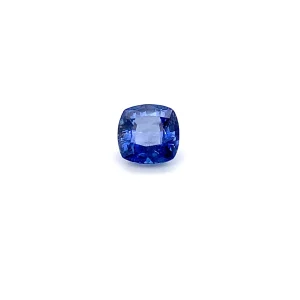
Gem-bearing gravel may contain a mixture of stones and minerals. Depending on the deposit, miners can recover sapphires, spinels, garnets, chrysoberyl and other minerals.
The word illam is particularly relevant to understanding traditional Sri Lankan mining practices. It describes the gem-bearing material rather than a specific gemstone variety.
Sri Lanka’s alluvial deposits have played an important role in the country’s gemstone industry for generations.
3. Padmaraga (පද්මරාග)
Padmaraga is a traditional Sinhala name for the Padparadscha sapphire.
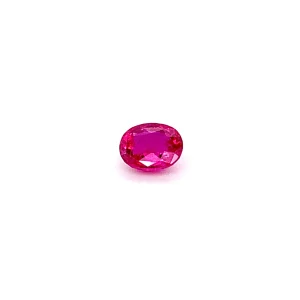
Padparadscha is a rare variety of corundum. And it is distinctive combination of pink and orange hues. Its colour can range from delicate pastel shades to more pronounced pink-orange tones.
What makes Padparadscha special?
Fine Padparadscha sapphires are highly sought after because of their rarity and distinctive colour. Sri Lanka has a particularly important place in the history and trade of these gemstones.
However, not every pink-orange sapphire qualifies as Padparadscha. Classification can depend on the stone’s colour characteristics and the criteria applied by the gemological laboratory or market.
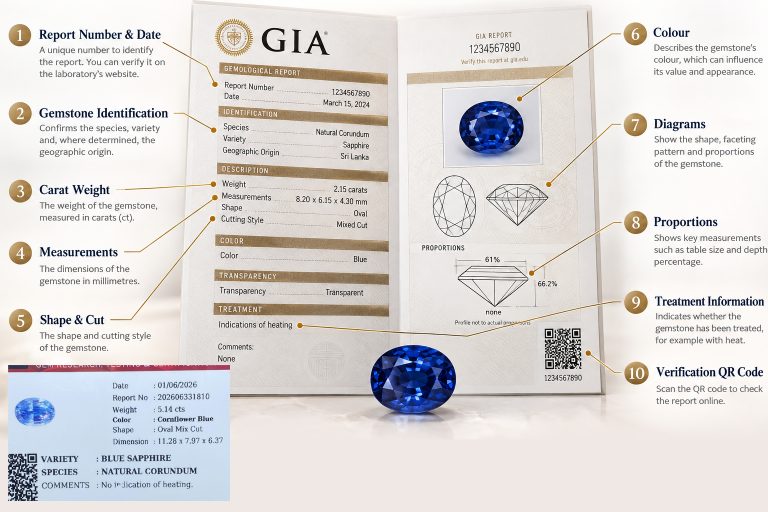
For valuable stones, an appropriate laboratory report can help establish the gemstone’s identity and, where determined, geographic origin.
4. Pushparaga (පුෂ්පරාග)
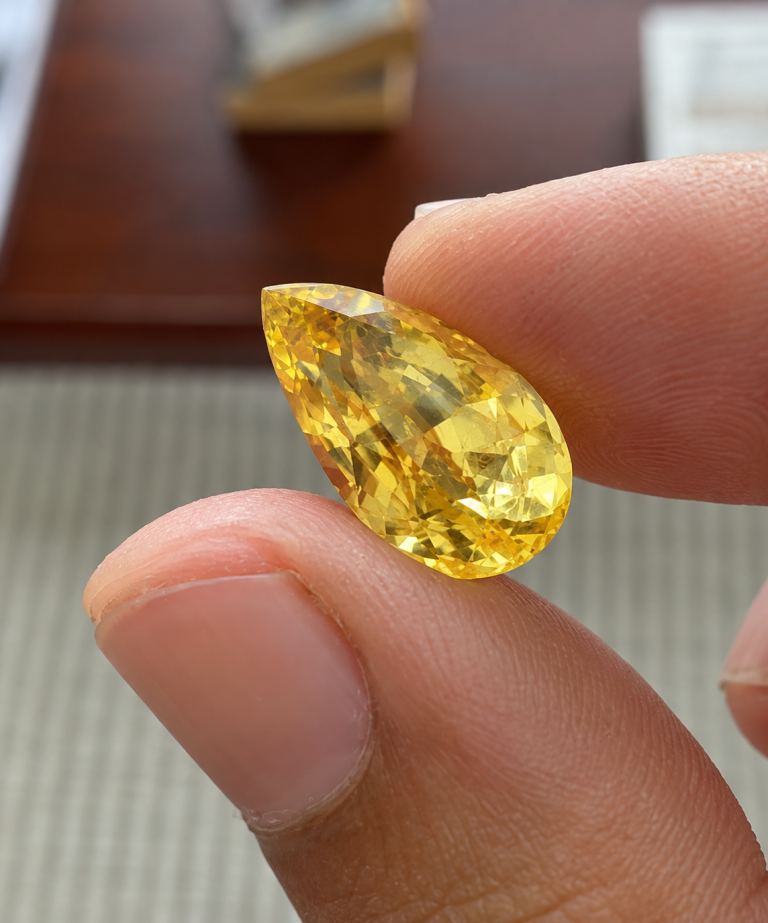
Pushparaga is a traditional Sinhala name for the yellow sapphire.
Yellow sapphires belong to the corundum family and can display colours ranging from pale yellow to rich golden shades. Iron commonly contributes to their yellow colour.
Yellow sapphire in Sri Lanka
Sri Lanka is internationally recognised for its coloured sapphires, including yellow sapphire.
Buyers generally assess yellow sapphires according to colour, clarity, cut, carat weight, treatment and overall appearance. Geographic origin may also influence desirability when a recognised laboratory supports the origin determination.
When communicating with international customers, yellow sapphire is the clearest general product name, while Pushparaga provides valuable cultural context.
5. Manik (මැණික්)
Manik is a romanised form associated with the Sinhala word මැණික්, meaning gems or precious stones.
The term reflects Sri Lanka’s longstanding relationship with gemstones and appears in discussions of local gem culture and trade.
Its precise use in English-language descriptions can vary. It is best understood as a traditional word associated with gems rather than a formal mineral or gemstone classification.
For international buyers, identifying the actual stone species—such as sapphire, ruby, spinel or chrysoberyl—is more informative than relying on a general local expression alone.
6. Dhum Geuda
Dhum Geuda is a traditional expression used in parts of the Sri Lankan gem trade for certain geuda material with a smoky or cloudy appearance.
As with other local trade terminology, usage can vary between traders. The expression should not be treated as a standardised laboratory classification.
When examining geuda rough, experienced traders consider its appearance and internal characteristics, but visual assessment alone cannot reliably predict the final result of heat treatment.
7. Other Local Gem Trade Expressions
Sri Lankan gem traders use additional expressions to describe rough material, appearance, quality or commercial desirability. Some expressions are highly localised and may have different meanings depending on the region, trader or context.
For example, terms such as Ottu and Pajaathi Gal may appear in informal discussions of corundum or commercial gemstone material. Their meanings are not consistently standardised across the international gem trade.
For this reason, buyers should ask the seller to explain exactly what a term means in relation to the particular stone.
A traditional trade name can provide useful context, but it should not replace professional identification, treatment disclosure or a gemological report.