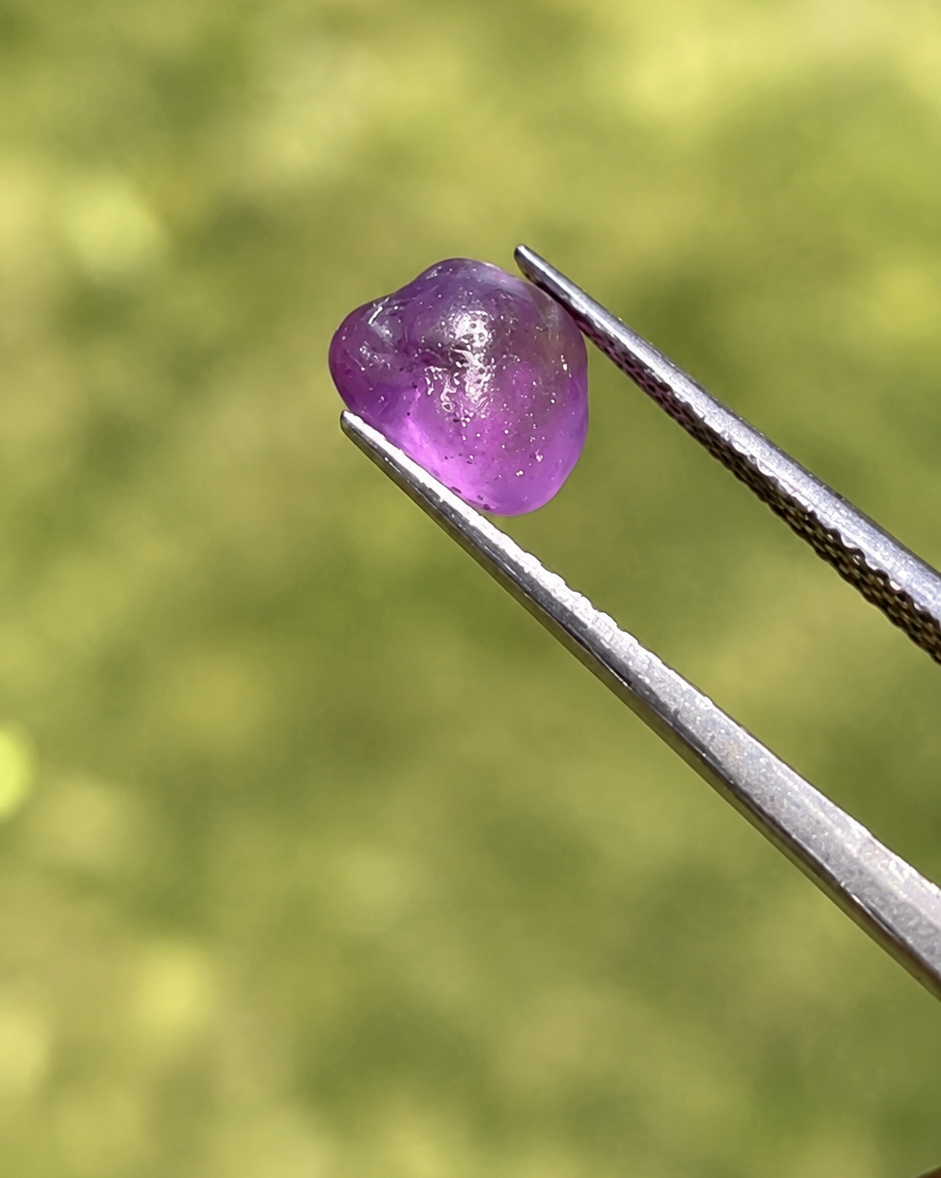
Among the many gemstones admired for their beauty and fascinating range of colors, Violet Sapphire holds a special place. Blue Sapphire is famous worldwide. However, Violet Sapphire stands out with its beautiful purple and violet tones.
What Is Violet Sapphire?
Violet Sapphire is a variety of sapphire, belonging to the corundum mineral family. Its primary chemical composition is aluminum oxide (Al₂O₃).
What makes Violet Sapphire particularly attractive is its beautiful violet to purple coloration. Some stones display a soft, light violet tone, while others can show a deeper purple or a combination of violet and blue.
The exact appearance can vary considerably from one gemstone to another, making each stone unique.
What Causes the Color in Sapphire?
Sapphire gets its color from trace elements. In violet sapphire, iron and titanium can contribute to its purple and violet tones. This is one reason why violet sapphires can display a fascinating range of purple, violet, and bluish-purple shades.
Different Shades of Violet Sapphire
This stone can occur in several attractive color variations:
1️⃣ Light Violet Sapphire
A soft and delicate violet or light purple shade.
2️⃣ Deep Violet Sapphire
A richer and more intense purple-violet coloration.
3️⃣ Violet-Blue Sapphire
A beautiful combination of violet and blue tones.
4️⃣ Pinkish-Violet Sapphire
A violet gemstone with noticeable pink or reddish-purple undertones.
The most desirable color is ultimately a matter of personal preference. However, factors such as color intensity, consistency, saturation, and overall appearance can significantly influence the beauty and value of the gemstone.
Violet Sapphire vs. Amethyst
At first glance, Violet Sapphire and Amethyst can appear quite similar because both can display attractive purple colors. However, they are completely different minerals.
Violet Sapphire belongs to the corundum mineral family.
Amethyst is a variety of quartz.
Sapphire has a hardness of approximately 9 on the Mohs scale, while amethyst has a hardness of approximately 7.
Because of its greater hardness, Violet Sapphire is generally more resistant to scratching than amethyst, making it well suited for jewelry such as rings, earrings, pendants, and other pieces intended for regular wear.
Where Is Violet Sapphire Found?
Sri Lanka, Madagascar, Thailand, and Australia are among the world’s leading sapphire sources.
However, this does not mean that Violet Sapphire is equally abundant in all of these locations. The availability and characteristics of the stone can vary significantly depending on the geological environment.
Determining the exact origin of an individual gemstone may require specialized gemological and geological testing.
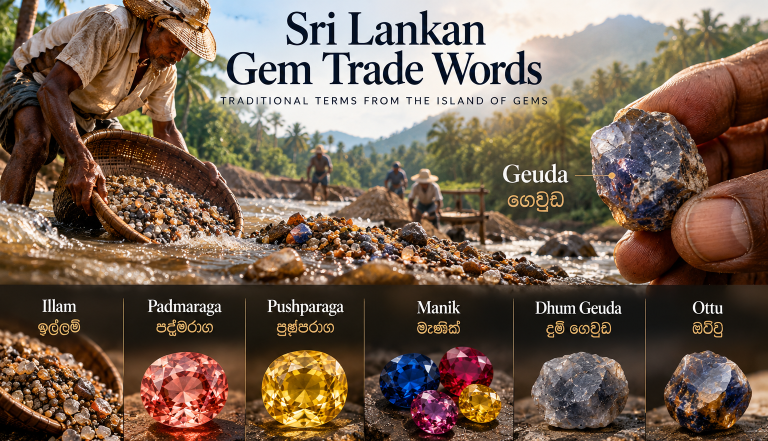
Sri Lanka is famous for its diverse range of sapphires, including beautiful violet and purple varieties. These gemstones are valued for their attractive colors and natural beauty.
How Is the Value of Sapphire Determined?
There is no single fixed price for the stone. The value of an individual gemstone depends on a combination of factors, including:
Color – The beauty, intensity, saturation, and overall appeal of the color.
Clarity – The level of transparency and the presence or absence of visible inclusions.
Cut and Proportions – The quality of the cutting and how effectively the stone reflects and returns light.
Carat Weight – Larger, high-quality gemstones can command significantly higher prices.
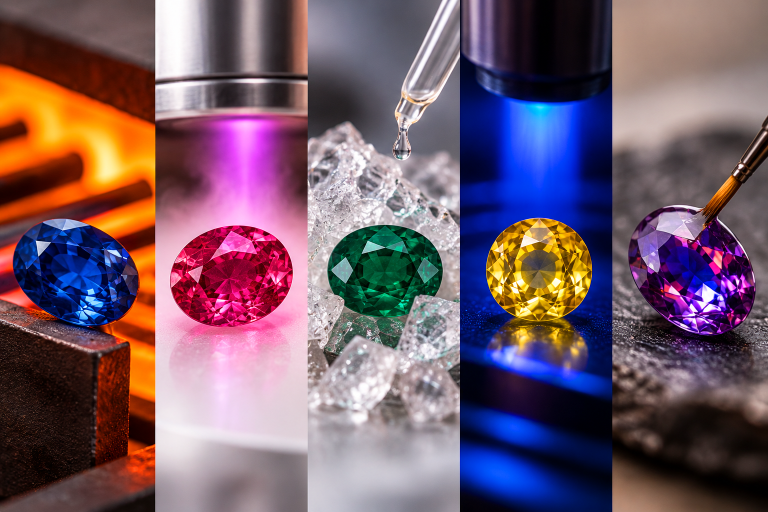
Treatment – Whether the gemstone is completely natural or has undergone treatments such as heat treatment.
Origin – A documented and well-regarded geographic origin can influence market value in certain cases.
Market Demand – Rarity, current market preferences, and demand for particular colors and qualities can also affect price.
For these reasons, two violet sapphires of the same carat weight can have very different values. A proper assessment by a qualified gemologist or reputable gemological laboratory is recommended when determining the characteristics and value of a valuable stone.
Violet Sapphire in Jewelry
The attractive violet color of this gemstone makes it an excellent choice for a variety of jewelry designs, including rings, pendants, earrings, bracelets, and custom-made pieces.
This stone can be beautifully complemented by white gold, yellow gold, rose gold, or platinum. The contrast between the metal and the gemstone can enhance the richness of its purple and violet tones.
For those looking for something different from the traditional blue sapphire, Lavender Sapphire can be an elegant and distinctive alternative.
Why Choose Violet Sapphire?
Violet Sapphire combines the beauty of purple and Lavender color tones with the durability of sapphire. Its range of colors, natural uniqueness, and suitability for jewelry make it an appealing choice for gemstone enthusiasts, collectors, and those looking for a distinctive center stone.